


FR / EN without building two disconnected websites.
We structure both languages as coherent experiences: URLs, metadata, internal links, navigation, hreflang, and content must all describe the same organization.
Fast, bilingual, well-structured websites for Laval — built to be found, understood, and to grow with your business.
Architecture, UX, Local SEO, performance, content, integrations, and operations are designed as one connected system — not as a collection of separate pages.
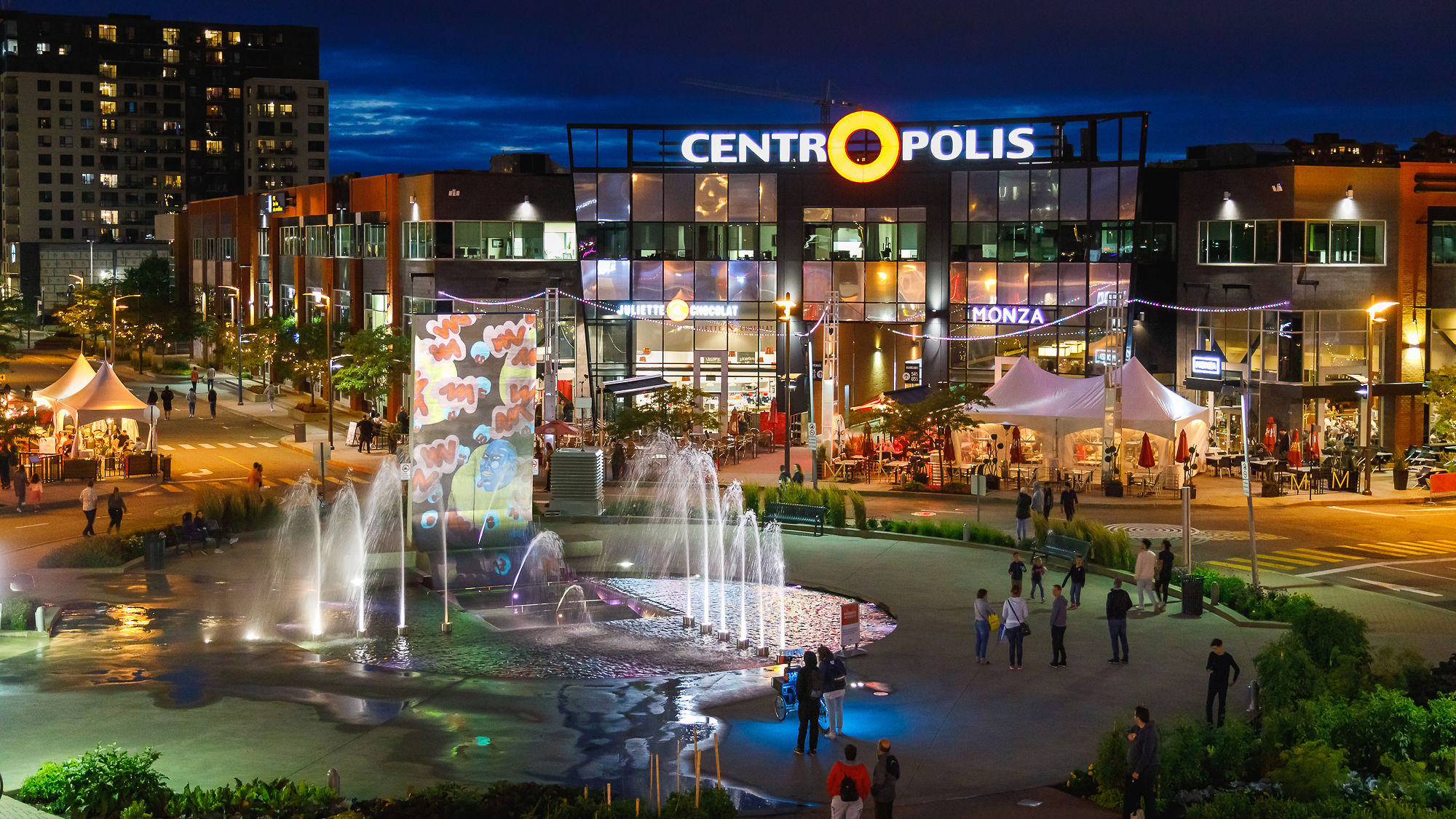
Language, service areas, local competition, search, and conversions influence the architecture from day one.
In Laval, the challenge is not just visual. Businesses often need to present multiple services, serve different areas, communicate in two languages, compete locally, and support customer journeys that begin with search.

An effective local platform must connect language, geography, services, and search intent without producing an artificial collection of duplicate pages.
We structure both languages as coherent experiences: URLs, metadata, internal links, navigation, hreflang, and content must all describe the same organization.
Chomedey, Sainte-Dorothée, Laval-des-Rapides, Duvernay, Vimont, Auteuil, and nearby areas can have different search intents and customer journeys.

An effective local page is not about repeating “Laval” everywhere. It should help Google and visitors understand your services, service areas, languages, evidence, and the next action to take.
Two coherent language experiences with hreflang, internal links, and genuinely localized content.
A structure that can support Laval, Montreal, the North Shore, and neighbouring markets without thin duplicate content.
Pages should connect commercial intent and geography in a useful way.
Website design starts with the organization’s structure: services, audiences, service areas, content, conversions, integrations, and responsibilities.
Define services, relationships, categories, and priorities before designing the interface.
Connect services with real markets and search intent without creating thin or repetitive local pages.
Keep French and English aligned without disrupting navigation, indexing, or conversion journeys.
Connect forms, bookings, payments, CRM, or internal tools when the website needs to support operations.
Plan for new services, service areas, content, and features without rebuilding the platform.
The scope depends on the organization’s needs. The goal is not to add features for their own sake, but to build what genuinely needs to exist.

For organizations that need to clearly explain several services, audiences, markets, or areas of expertise while improving conversion and discoverability.
Reusable components, clear administration, and controlled dependencies.
Catalogues, payments, and customer journeys designed around the actual business model.
Bookings, forms, CRM, automation, internal tools, and external systems.
Preserve what already has value and correct what limits future growth.

When a website needs to generate demand in Laval, discoverability shapes page structure, URLs, internal links, content, and technical foundations from the start.
Match pages to real customer questions and decisions.
HTML, canonicals, indexing, performance, structured data, and stability.
Build clear connections between services, areas served, content, and proof.
Structure Laval and nearby markets as a coherent architecture, not a collection of copied pages.
Our systems are built for businesses that need to be found, understood, and used in real markets — not simply displayed in a portfolio.
Services, service areas, packages, bookings, and local search combined in a scalable commercial platform.
Multi-service architecture · Local SEO · Residential and commercial markets
Specialized service · Local conversion · Market structure
Brand architecture · Local services · Structured content
Service positioning · Local search architecture
Our process avoids starting with a theme, page count, or technology. The project begins with what the organization needs to enable, explain, and improve — an approach directly connected to our digital strategy approach.
See Our Process →Understand the organization, the Laval market, audiences, existing platform, and constraints.
Define the architecture of information, services, content, SEO, and integrations.
Design the experience, components, and hierarchy around the decisions users need to make.
Build a fast, manageable, accessible platform designed to evolve.
Monitor search, usage, conversion, and operational needs after launch.
Cost depends on architecture, the number of page types, content, bilingual requirements, integrations, SEO scope, e-commerce, and operational complexity. As a guide, a professional business website may start around CAD $3,000 before taxes; a bilingual, transactional, or integrated platform requires a tailored quote. The final budget is determined by clarifying what the website actually needs to do, rather than choosing a generic package.
Yes. We can structure coherent French and English experiences with architecture, internal links, metadata, and technical signals adapted to both languages.
Yes, when local visibility is part of the engagement. Service areas, content, internal linking, and structured data are planned from the start.
Yes. We use WordPress when it fits the organization’s needs, including corporate websites, service platforms, bilingual environments, and selected WooCommerce projects.
Yes. A redesign should preserve what already has value: useful URLs, high-performing content, authority, internal structure, and technical signals. Changes are planned rather than made blindly.
Yes. Depending on the project, the website can connect to forms, booking systems, CRM, payments, automation, internal tools, or other platforms needed for operations.
No. We work with organizations across Laval and nearby markets and can structure websites for multiple areas, cities, service territories, and bilingual markets.
Show us what exists today, what no longer keeps up with your growth, and what your next system needs to enable.
Request a Website Quote →